Take-back of Modarc’s modular photovoltaic system
“Modularity is something we have already covered extensively, but it is still a relatively new area for everyone. It is new in the sense of truly taking full advantage of modular products, which is the core idea here. With this assessment we see the opportunities to emerge strong strategies within a circular business and circular economy system to improve our knowledge in this growing sector even further.”
– Christian Eskildsen, CEO at MODARC
Opportunity
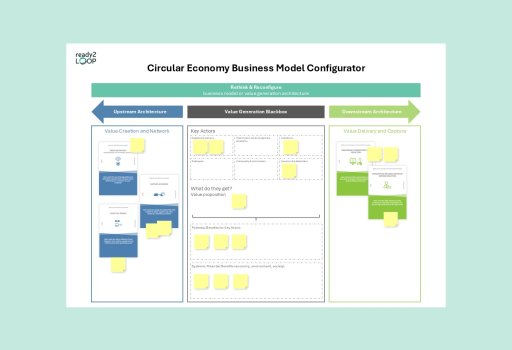
MODARC has a significant opportunity to leverage its modular MPVS design to enable easy disassembly and component-level remanufacturing. The early-stage flexibility allows the company to establish a collaborative take-back system and industrial symbiosis before the 2026 launch. This strategy ensures compliance with emerging EU policies.
Path
MODARC’s transition focuses on securing EU-based manufacturing partners and recycling stakeholders in the short term to narrow material flows. This is followed by the development of a collaborative take-back system optimised through industrial symbiosis. The path emphasises early-stage decision-making to improve product design for future remanufacturing, ensuring the company is circular from its very foundation.
Outcome
The transition results in a closed-loop system where modularity facilitates the easy return and remanufacturing of solar components. By establishing a network of specialised stakeholders, MODARC ensures compliance with EU sustainability regulations and preserves component value across multiple life cycles. This outcome builds a resilient company identity focused on resource efficiency and high-value material recovery from the outset.
Context
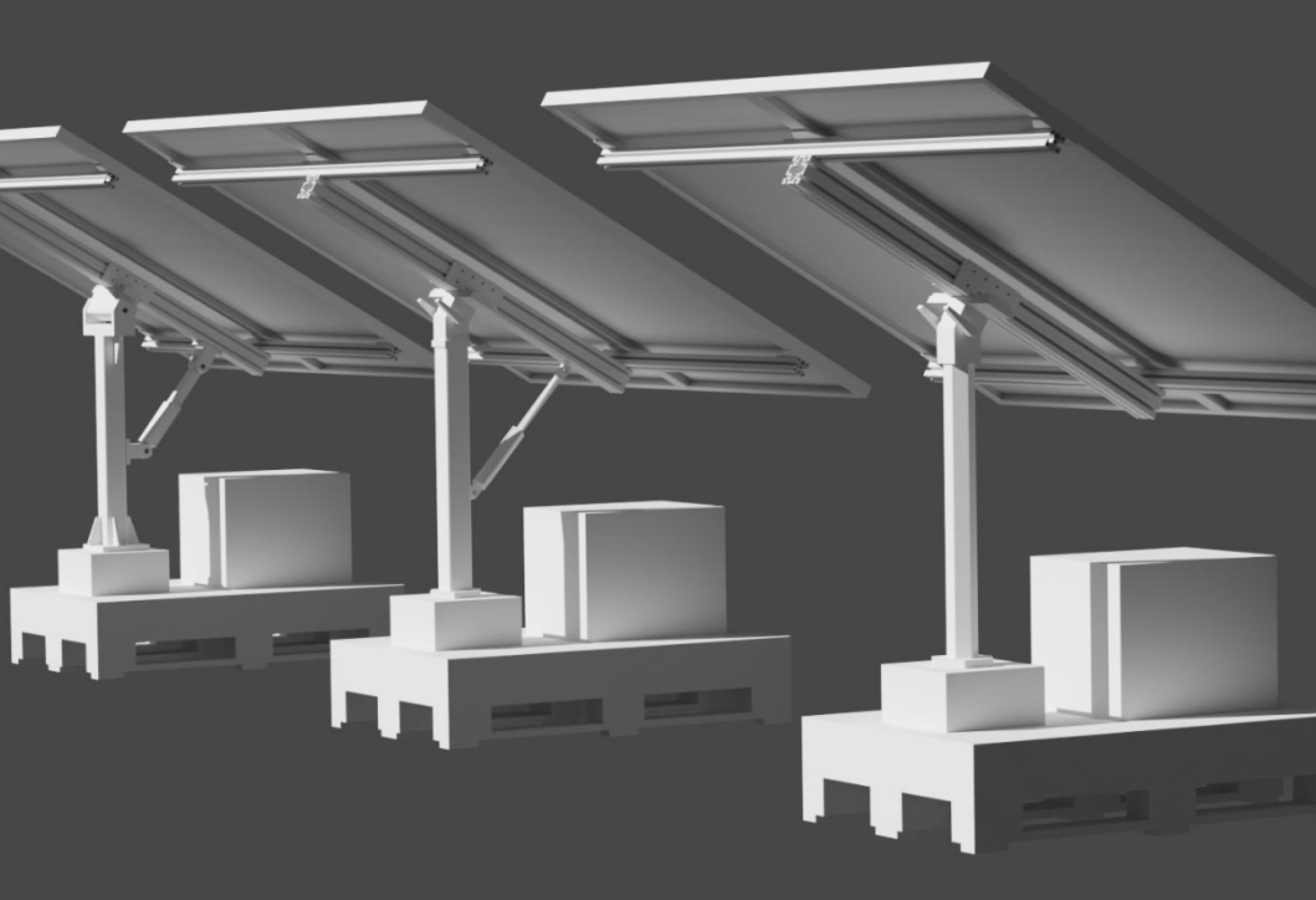
MODARC is a Danish technology company specialising in modular systems. The case study addresses their Mobile Photovoltaic System (MPVS), an off-grid modular solar solution intended for a mid/late 2026 launch in the B2C Scandinavian and European markets. The system features interchangeable modules (base, pole, PV panels, battery, inverter) that are configured for different needs and assembled in Denmark.
Opportunity
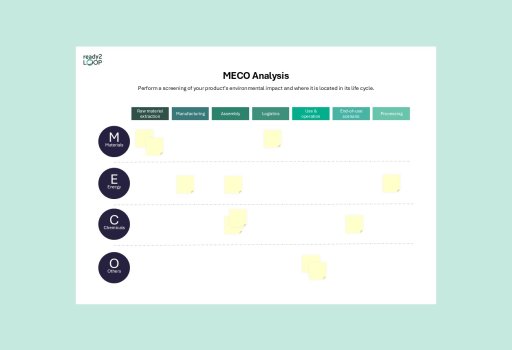
The primary opportunity lies in MODARC's modular product design, which allows for easy disassembly, component replacement, and remanufacturing. This differentiates the product from competitors whose PV kits are often difficult to repair or circulate. Furthermore, by defining concrete repair scenarios, clarifying which modules are replaceable, and supporting users with clear guidance and digital tools, MODARC can translate modular design into effective repair and maintenance practices. In a competitive landscape where many solar solutions are integrated and difficult to repair, these capabilities enable differentiation through durability, serviceability, and long-term value creation, while aligning with increasing EU focus on repairability and traceability.
The product is currently at prototype level, placing MODARC in an early development phase. However, the company already has initial concepts for take-back and repair, creating an opportunity to embed circular practices early rather than adding them later. MODARC can develop a data-enabled take-back system for its modules, where digital identification and condition data support routing modules towards reuse, refurbishment, or recycling.
Transition path
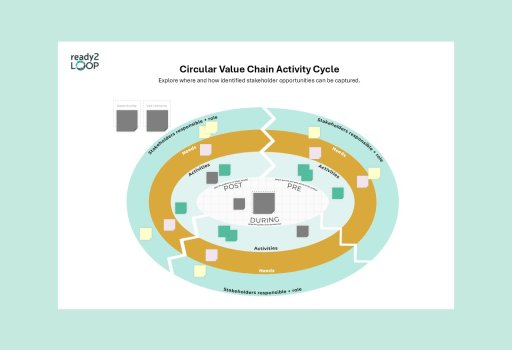
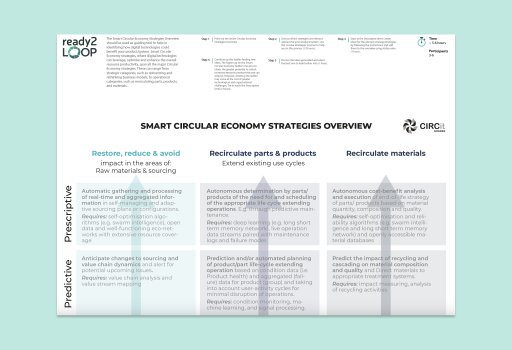
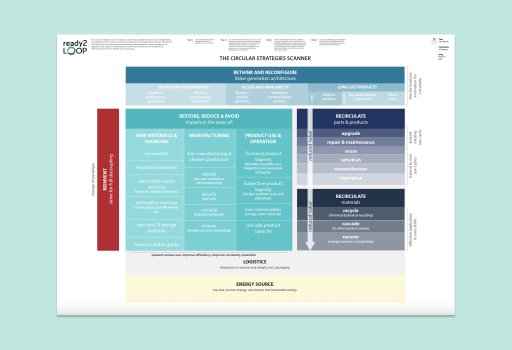
The Transition Path prioritises “Manufacturing & Value Chain” and “Take-back & End-of-Life Strategies”. Because the MPVS is in a conceptual phase, MODARC must first focus on identifying suitable component suppliers and recycling partners to establish an EU-based value chain.
The implementation of the take-back system is planned to follow the product launch, as component lifetimes are expected to exceed two years. By utilising specific tools to explore strategic opportunities, MODARC can refine its design for end-of-life remanufacturing and increase the use of renewable and remanufactured materials. This phased roadmap ensures that circular principles are embedded into the company's operational DNA early.
Outcome
The implementation of this transition will result in an enhanced circular business model characterised by the reintroduction of remanufactured materials into the production cycle. The modular design enables a closed-loop system where components can be repurchased and remanufactured without losing value during disassembly.
This approach ensures full compliance with EU policies while placing responsibility on MODARC to manage consumer participation at the product's end-of-life. By integrating consulting elements during the design phase, MODARC can establish a holistic, long-term circular strategy that defines its brand identity. Ultimately, this system maximises the value of existing material resources and minimises life cycle costs through professional component recovery.
Reflections
The success of this strategy relies on high consumer participation to ensure the return of components for remanufacturing. The early development phase is a major advantage, allowing MODARC to embed holistic circularity into its DNA before launch. While the company has extensive experience in modularisation, leveraging it specifically for circular economy models is a new arena for all involved stakeholders.
Next step
MODARC should identify and establish collaborations with stakeholders for a functional take-back and reuse system. The company must also focus on reconsidering component design, specifically regarding the integration of recyclable and renewable materials. Finally, they should continue to explore industrial symbiosis opportunities to further enhance product recovery pathways.
Micro-Accelerator. January 2026 - offered by ready2LOOP & DTU Course, Design for Circular Economy
Company
MODARC ApS
Focus area for transition path

Manufacturing & Value Chain
Product Manufacturers

Takeback & End-of-Life Strategies
Product Manufacturers