
Combined rental and take-back initiative for mulchers at Tokvam
"I expect the accelerator to help me understand where circular opportunities may exist for a company like ours and what could be realistic and feasible in our context. From the first interactions with the students, I have already felt value from their questions and comments, and I’ve found the dialogue quite inspiring. I also hope the process will highlight where circular approaches could bring benefits for our customers and potentially reduce environmental impacts. We look forward to seeing the students’ proposal before considering any next steps."
- Christian Mandrup-Poulsen, CEO at Tokvam AS
Opportunity
Tokvam can transition to a circular model by establishing a take-back system to recover valuable alloy steel from worn chains and redesigning components to include replaceable wear parts. These actions extend the mulcher's lifespan and keep customers within the Tokvam ecosystem, differentiating the company from competitors.
Path
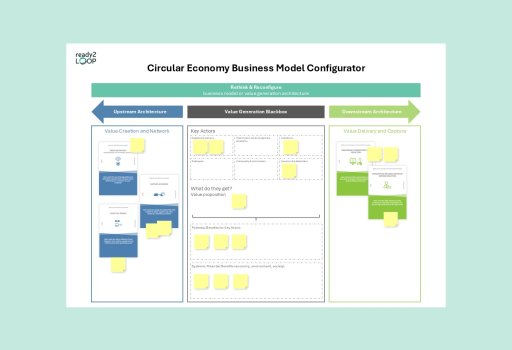
Tokvam’s transition focuses on a dealer-based collection system for worn chains including rental services and take-back systems for remanufacturing or refurbishment. This is paired with redesigning chain attachment points and adding replaceable sliders to slow the wear of the primary chassis, preserving the machine's value across secondary markets.
Outcome
The transition results in extended equipment lifetimes and secured material recovery through local collection hubs. These interventions transform the mulcher into a long-term asset, reducing environmental waste and positioning Tokvam to recover higher portions of product value while improving long-term profitability.
Context
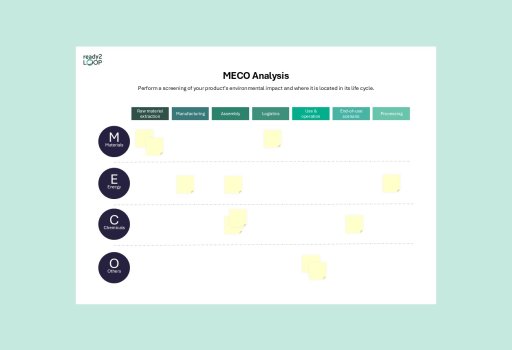
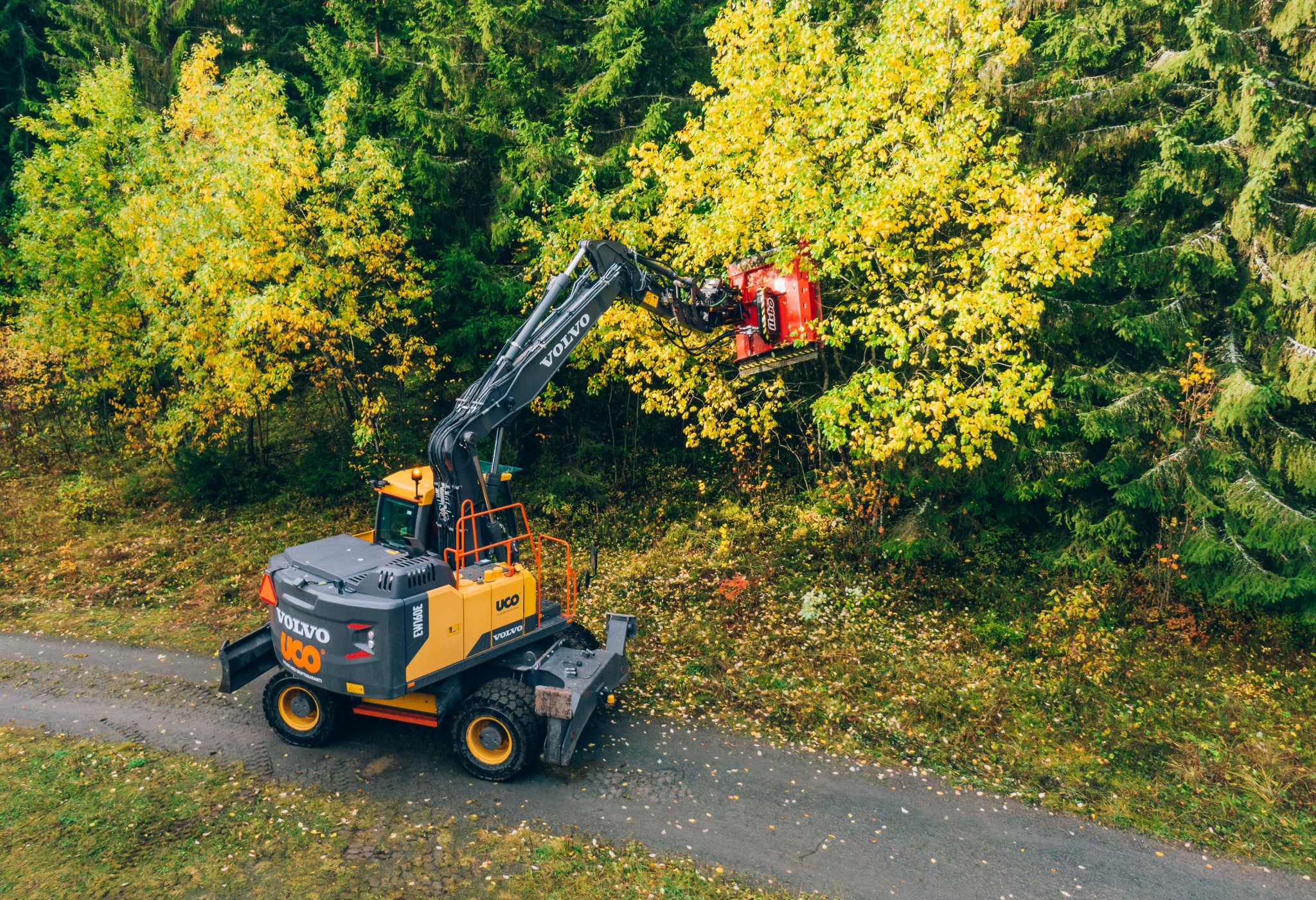
Tokvam AS is a Norwegian industrial company established in 1958 that produces road maintenance tools like snowblowers and chain mulchers. The project targets hydraulic chain mulchers used in harsh environments where chains and chassis suffer intense wear. Currently, Tokvam has an open-loop system where worn chains are scrapped by users and replaced by products from alternative suppliers.
Opportunity
The primary opportunity is to implement a take-back system for the mulchers, which are currently scrapped by users at end-of-life (EoL). Collecting these chains through the existing dealer network allows Tokvam to secure a reliable reverse flow of material for local recycling. The sustainability impact should also not be underestimated, as reselling a remanufactured or refurbished product is a significant step towards circularity, especially in Tokvam’s case where large amounts of steel are used for each product. Retaining the part value rather than the relatively low material value of scrap steel is a great opportunity for Tokvam.
Additionally, there is a product redesign opportunity to address chassis damage caused by chain wear through e.g., modular design.
Transition path
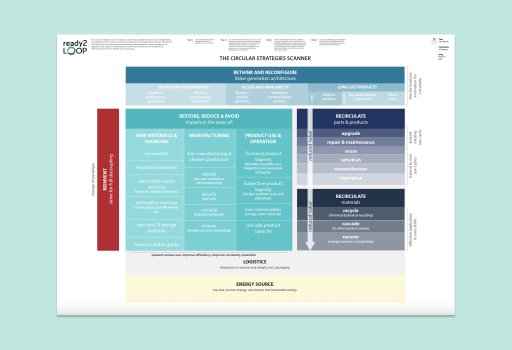
For the Transition Path the focus is on the dimensions "Use, Support & Maintenance" and "Takeback & End-of-Life Strategies".
The recommended path shifts the mulcher from a transactional product to a service-oriented asset, by setting up rental services with dealerships already working with leasing as part of their business models and secondly setting up take-back logistics for shipping returned mulchers back to Tokvam for remanufacturing or refurbishment.
Simultaneously, Tokvam should implement redesigns, such as restricted chain motion and modular attachment points, to facilitate easier unit swaps and protect the structural integrity of the chassis.
Outcome
After implementing the proposed Circular Economy Transition Path, the company would be well positioned for potential future Extended Producer Responsibility (EPR) regulations with a well-established take-back system. A rental system would allow the company to diversify their business model to include both users who might only use the product rarely and therefore prefer to rent and users who use the product more intensely and therefore prefer to buy. The take-back system and subsequent remanufacturing or refurbishment would allow Tokvam to sell discounted models, which might in turn appeal to a different market.
Implementing take-back systems will also allow Tokvam to gain increased knowledge of product use, wear patterns and EoL states, allowing them to further improve the product design to allow for easier remanufacturing increasing the viability of Cem and allowing Tokvam to sell cheaper remanufactured mulchers. This would in turn grow their market share without increasing their material usage.
Reflections
The Transition Path assumes that dealers and users will be motivated by economic incentives to participate in the take-back scheme. There are currently information gaps regarding the logistics of the take-back system and specific dealer relationships that must be addressed to minimise investment risk.
Next step
Tokvam should finalise the logistics and dealer agreements for creating a pilot program for both product rental services and a take-back system, with refurbishment or remanufacturing retaining value at a product level.
Micro-Accelerator. January 2026 - offered by ready2LOOP & DTU Course, Design for Circular Economy
Company
Tokvam AS
Focus area for transition path

Use, Support & Maintenance
Product Manufacturers

Takeback & End-of-Life Strategies
Product Manufacturers