
“Chain Credit” take-back system with service-focused redesign

“I expect the accelerator to help me understand where circular opportunities may exist for a company like ours and what could be realistic and feasible in our context. From the first interactions with the students, I have already felt value from their questions and comments, and I’ve found the dialogue quite inspiring. I also hope the process will highlight where circular approaches could bring benefits for our customers and potentially reduce environmental impacts. We look forward to seeing the students’ proposal before considering any next steps.”
- Christian Mandrup-Poulsen, CEO at Tokvam AS
Opportunity
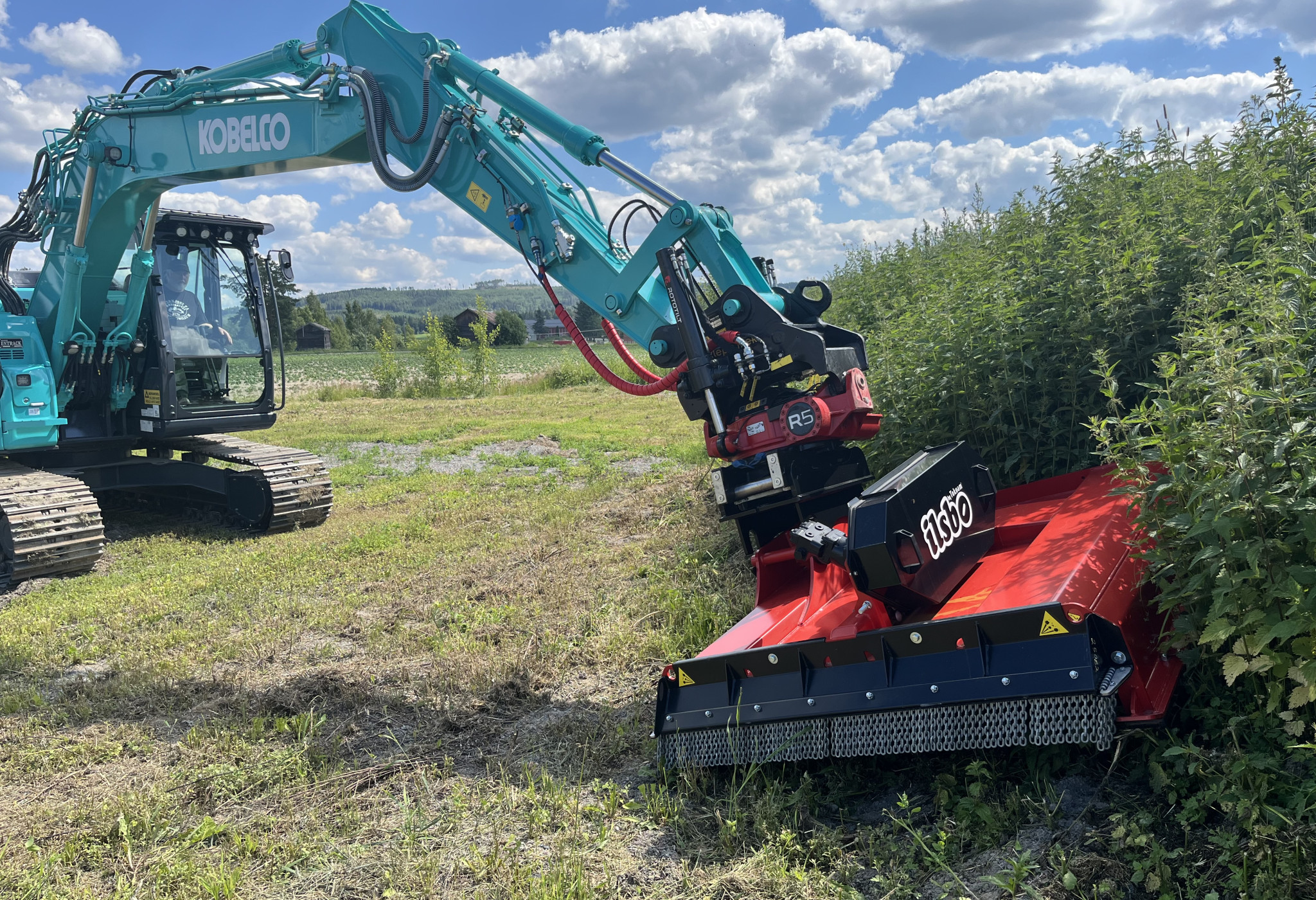
Tokvam can transition to a circular model by addressing the frequent wear and scrapping of mulcher chains in harsh environments. Key opportunities include establishing a take-back system to recover high-strength alloy steel and redesigning components to include replaceable wear parts. These actions close material loops and extend the technical lifespan of the mulcher chassis, differentiating the company from competitors.
Path
The transition focuses on a "Chain Credit" system where dealers serve as collection hubs for worn high-strength chains, offering customer discounts to ensure a reliable reverse material flow. Simultaneously, Tokvam will redesign chain attachment points and add replaceable sliders to protect the chassis from the primary causes of disposal. This strategy preserves value across secondary markets and establishes the company as a circular service provider.
Outcome
The proposed interventions transform the hydraulic mulcher into a long-term asset, securing customer loyalty and material recovery through dealer-based collection hubs. Redesigning for serviceability extends the equipment's lifespan and reduces the environmental impact of structural waste. These outcomes position Tokvam to recover higher portions of product value and explore future leasing models, enhancing both economic performance and brand sustainability.
Context
Tokvam AS is a Norwegian B2B industrial company established in 1958 that develops road maintenance tools, including snowblowers and sandspreaders. This case study focuses on hydraulic chain mulchers in the Norwegian market, which are used in intense environments for cutting harsh vegetation. Currently, the company has not implemented specific circular strategies but is interested in maintaining competitiveness amid potential future sustainability regulations.
Opportunity
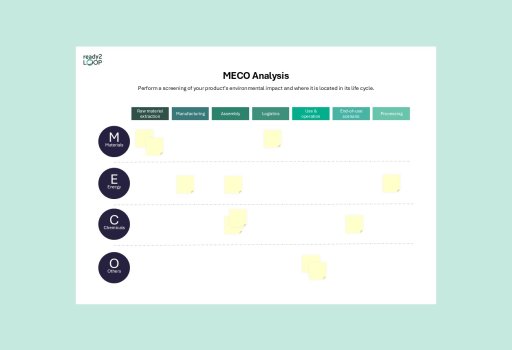
The intense use of mulchers causes inevitable wear on both the high-strength steel chains and the primary chassis, leading to an open-loop system where worn chains are frequently scrapped and new ones are purchased from alternative suppliers. This leaves Tokvam with little knowledge of customer behaviour or product frustrations. A significant opportunity exists to implement a take-back system that collects worn chains for local recycling, keeping customers within the Tokvam ecosystem.
Furthermore, there is an opportunity for product redesign to address user frustrations regarding chassis damage. By introducing replaceable Hardox "sliders" and pre-assembled chain units, Tokvam can ensure that wear affects cheap, replaceable steel parts rather than the structural portions of the chassis.
Transition path
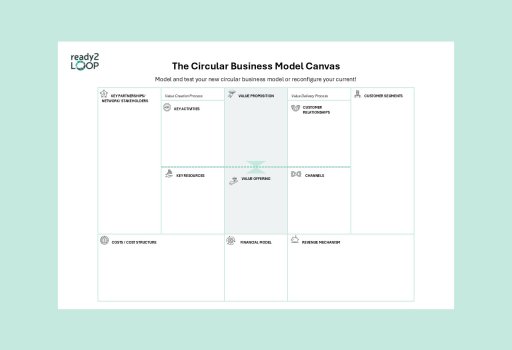
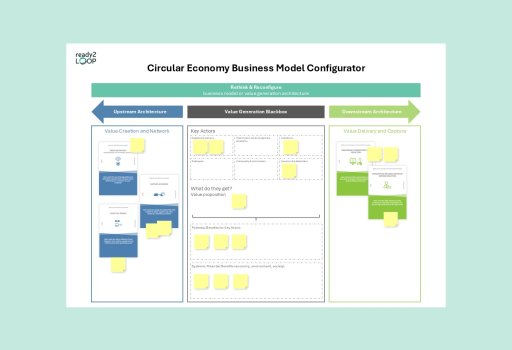
Tokvam’s transition involves shifting from transactional sales to managing the mulcher as a service-oriented asset. The primary mechanism is the "Chain Credit" take-back system, which incentivises customers to return worn chains to dealers—acting as local collection hubs—in exchange for a replacement discount. Recovered alloy steel is then locally recycled through specialised recovery facilities.
To support this, the company must prioritise service-focused redesign, incorporating restricted chain motion and modular attachment points to facilitate easier unit swaps and prevent structural chassis wear. This phased roadmap aligns product longevity with business model innovation, allowing Tokvam to decouple revenue from the consumption of raw steel.
Outcome
Implementing this path allows Tokvam to evolve from a traditional manufacturer into a circular service provider, maximising the value of material resources. The "Chain Credit" system creates a reliable reverse flow of material while making the sustainable choice financially attractive for customers. This strengthens relationships with dealers and increases customer loyalty by keeping users within the Tokvam product ecosystem.
The service-focused redesign significantly extends the product's functional life, improving the value cascade into secondary markets. Over time, these predictable service demands and longer-lasting equipment create a platform for leasing or sharing models, ultimately improving profitability through value recovery and reduced material life cycle costs.
Reflections
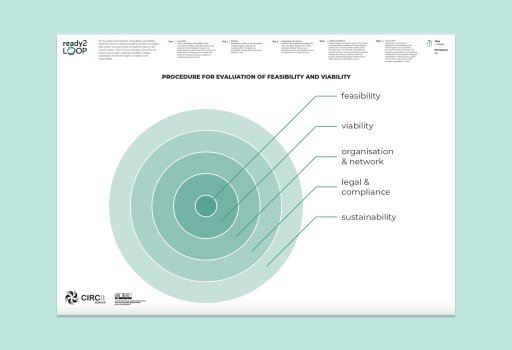
The transition plan relies on several assumptions, particularly regarding the logistics and operations of the take-back system and the willingness of users to engage with it. Gaps in information regarding relationships with dealerships and chain manufacturers mean the concept remains conceptual until these elements are fully actualised.
Next step
Tokvam should work to close information gaps regarding dealership relationships to finalise the logistics of the take-back system. Once the initial "Chain Credit" model is implemented, the company should explore product redesign.
Micro-Accelerator. January 2026 - offered by ready2LOOP & DTU Course, Design for Circular Economy
Company
Tokvam AS
Focus area for transition path

Strategy & Business Model Innovation
Product Manufacturers

Takeback & End-of-Life Strategies
Product Manufacturers