
Circular Transition for Roof Windows through Smart Takeback Systems and Digital Lifetime Monitoring

“The accelerator programme gives us valuable new perspectives on how circular solutions can strengthen our business. The collaboration with students helps us challenge assumptions and explore opportunities we might not otherwise have seen.”.
– Didde Marie Dobel, Senior Sustainability Specialist, VELUX.
Opportunity
VELUX has the potential to transition toward a circular economy by optimising end-of-life recirculation through its modular product design. The primary opportunities involve integrating smart data to support takeback systems and enhancing material recovery from dismantled windows. These strategies facilitate the internal reuse of parts and promote sustainability-driven partnerships, directly supporting the company's goal of increasing circularity in the European market.
Path
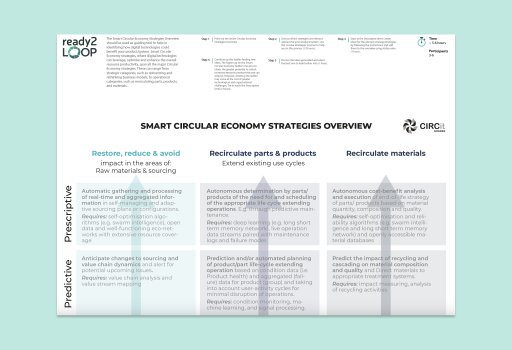
VELUX’s transition path focuses on implementing an advanced takeback system using tools like the “Recirculation Strategy Decision Tree” and “Smart Circular Economy Strategies Overview”. By selecting sustainable reverse logistics partners and developing marketing strategies for refurbished windows, the company can enhance its circular readiness. This roadmap guides the company from strategic planning to pilot initiatives, ensuring a data-supported foundation for growth.
Outcome
This transition will result in a more efficient recirculation strategy and improved circular readiness through the selection of high-quality reverse logistics partners. By utilising digital technology to monitor product conditions, VELUX can predict refurbishment needs and increase consumer acceptance via targeted communication. These outcomes reduce environmental impact while creating new business opportunities in the refurbished window market.
Context
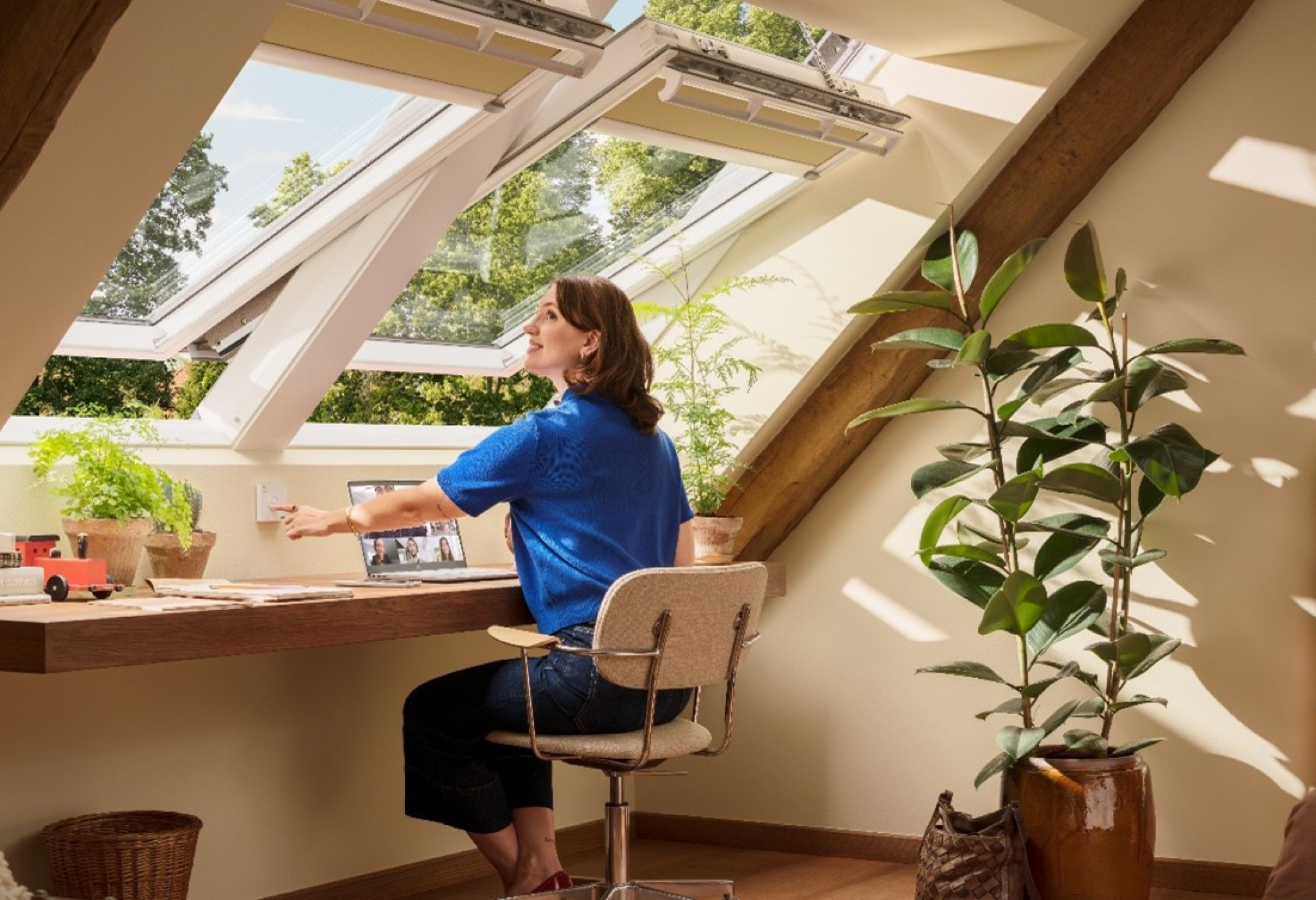
VELUX is a major Danish B2B manufacturer of roof windows, founded in 1941. The company aims to provide healthier living environments by bringing fresh air and daylight into buildings. As sustainability is a core corporate value, VELUX seeks to implement circular strategies that prolong product lifetimes and transform existing waste into high-value resources. This project specifically addresses the sloped window, the triple-glazed GGL model, prevalent on the European market.
Opportunity
Analysis through the ready2LOOP assessment identified significant strengths in VELUX’s modular window design, which already supports repair, maintenance, and the potential for internal component recirculation. A major opportunity exists in evolving end-of-life management by combining “Takeback & End-of-Life Strategies” with “Technology & Data”. This approach allows the company to recover materials from dismantled windows and production waste, reintegrating them into the manufacturing cycle.
While VELUX has piloted initiatives for reusing imperfect glass panels, there is a clear strategic opening to scale these efforts through new value recovery partnerships. By leveraging better data throughout the product lifecycle, VELUX can reduce structural waste and improve thermal performance across its entire sloped window portfolio.
Transition path
The recommended Transition Path prioritises a core strategy of developing an evolved takeback system supported by digital technology. To define a clear direction, VELUX should utilise the “Recirculation Strategy Decision Tree” to determine the most effective path for the GGL model as well as the “Sustainable Third-Party Reverse Logistics Selection” to ensure efficient material flows.
The “Smart Circularity Economy Strategies Overview” tool is recommended to gain a comprehensive understanding of how different levels of digital technologies can enable specific circular goals. This phased approach includes a marketing and communication strategy designed to increase consumer acceptance of refurbished products. By following this roadmap, VELUX can transition from strategic exploration to practical, data-driven circular interventions.
Outcome
Implementing this transition path will provide VELUX with a clear suggestion for the optimal recirculation strategy for their GGL windows. Utilising specialised tools allows the company to identify the most beneficial reverse logistics providers, enhancing overall circular readiness.
The integration of digital technology enables VELUX to monitor windows throughout their use phase, predicting their state and value as they approach end-of-life. These data-driven insights minimise systemic waste and ensure that refurbished windows are successfully rolled out to the market.
Additionally, the development of a structured marketing and communication framework, which helps build consumer trust and acceptance for refurbished product lines. Ultimately, this proactive approach strengthens the brand's position as a sustainable leader while meeting increasing regulatory demands.
Reflections
The solution assumes that customers want to engage in buying refurbished windows and participate in feedback, and that existing modularity sufficiently supports recirculation. If these assumptions are not met, the takeback system's impact may be limited. High organisational involvement and external stakeholder support are crucial to avoid rebound effects and ensure long-term regulatory compliance.
Next step
VELUX should move toward developing pilot initiatives to test customer acceptance of refurbished windows. This should be followed by exploring window monitoring throughout the use phase, potentially utilising guided surveys and probabilistic models to predict product state. Finally, the company must upscale the most promising strategies for full implementation while considering future circular regulations to secure long-term solutions.
Micro-Accelerator. January 2026 - offered by ready2LOOP & DTU Course, Design for Circular Economy
Company
VELUX Danmark A/S
Focus area for transition path

Technology & Data
Product Manufacturers

Takeback & End-of-Life Strategies
Product Manufacturers